The Most Underrated Fat Loss Tool in Midlife (And No, It’s Not Another Workout)
There’s a moment many midlife women reach on a fat loss journey where things start to feel… SO GODDAMN HARD.
You’re being mindful with food.
You’re showing up to your workouts.
You’re doing all the “right” things.
And yet progress feels slow, your energy is flat, and the idea of doing more exercise feels about as appealing as reorganising the garage on a Sunday.
So what do most women do?
They double down.
Less food.
More cardio.
A little extra discipline.
Meanwhile they’re running on five hours of broken sleep and wondering why their body is rebelling against them.
But here's what we seem to have lost along the way:
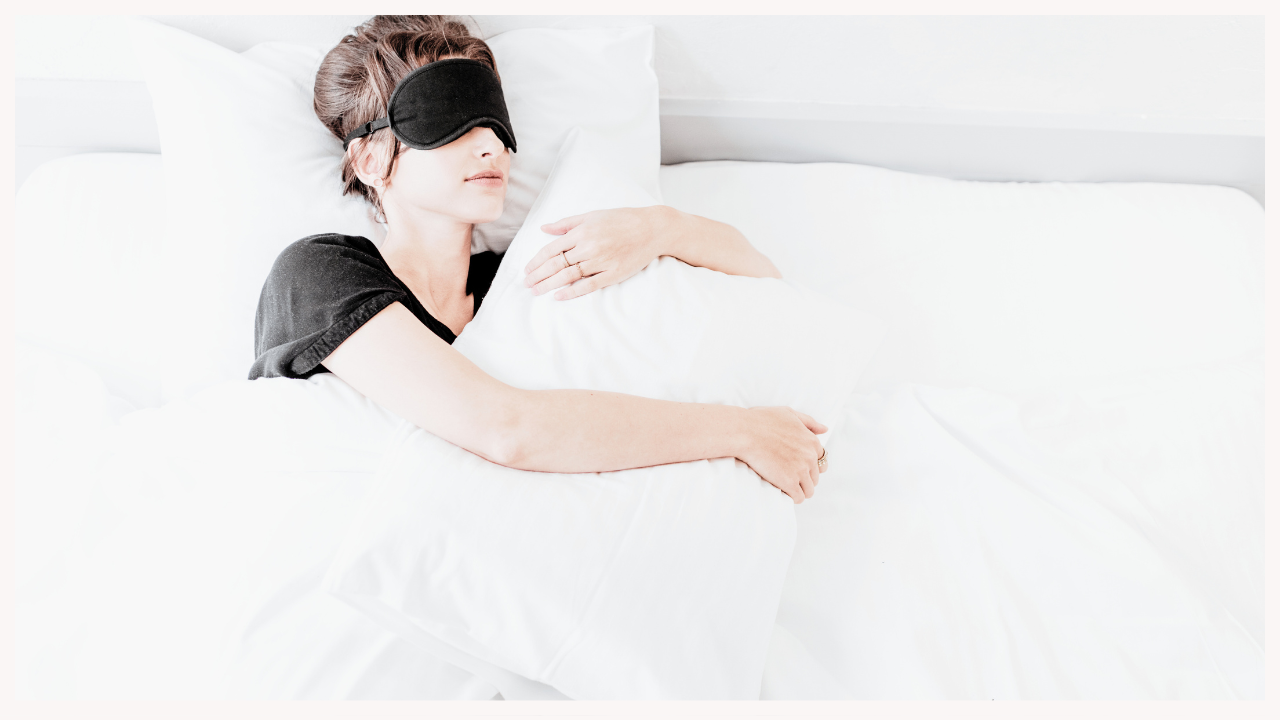
Sleep isn’t just about feeling rested. It plays a big role in how your body loses weight.
And in midlife, that matters more than ever.
Not All Weight Loss Is Equal
When the scale goes down, most people assume it means body fat is disappearing. Sometimes that’s true. But sometimes the body is also losing lean tissue — including muscle.
And muscle is something we very much want to keep.
Muscle supports strength, mobility, metabolic health, blood sugar regulation and overall resilience as we age. It’s the difference between feeling capable in your body… or feeling like everything is getting a bit harder every year.
Research has shown that when people diet while they’re sleep-deprived, the number on the scale might drop at a similar rate compared with people who are sleeping well.
But the composition of that weight loss changes.
A larger proportion can come from lean mass instead of body fat.
In other words, you might technically be losing weight — but not necessarily in the way that helps your body long term.
Not ideal.
Midlife Hormones Already Make Sleep Tricky
If you’re in perimenopause or post-menopause, sleep can become a bit of a circus.
Hot flushes.
Night sweats.
3 am “why the f*#& am I awake?” moments.
Brain deciding it’s the perfect time to revisit every awkward conversation since 1997.
Declining oestrogen can affect sleep regulation, temperature control, and the body’s natural sleep cycles. So if your sleep feels different than it used to, you’re not imagining it.
But while we can’t control hormones completely, we can support the body in ways that make sleep easier. And when sleep improves, a lot of other things tend to improve alongside it.
Energy.
Hunger regulation.
Training performance.
Recovery.
And yes — fat loss.
The “Boring” Habits That Actually Help
Sleep advice isn’t usually glamorous. There’s no fancy supplement or magic pillow that fixes everything overnight.
But some simple habits genuinely help your body settle into a more reliable rhythm.
1. Keep a consistent sleep schedule
Your body likes routine. Going to bed and waking up at roughly the same time each day helps regulate your circadian rhythm and makes falling asleep easier.
Sleeping in wildly different windows every night tends to confuse the system.
2. Get morning light
Natural light early in the day helps anchor your internal clock and improves melatonin release later in the evening.
Even ten minutes outside in the morning (minus the sunnies) can make a big difference.
3. Be mindful with afternoon caffeine
Caffeine doesn’t disappear the moment the coffee cup is empty. It can hang around in the system for several hours. For some people that 3pm coffee is quietly sabotaging bedtime.
4. Give your brain a wind-down period
Scrolling emails, answering messages or working late keeps the nervous system alert.
Your brain needs a signal that the day is winding down. Dim lighting, reading, stretching or simply putting the phone down can help shift the body into sleep mode.
5. Don’t fear carbohydrates at dinner
A small amount of carbohydrate with dinner — things like rice, potato or fruit alongside protein — can support serotonin production and help the body move into a more relaxed state in the evening.
This isn’t about huge portions. Just balanced meals.
The Midlife Reminder We All Need
Trying to train hard, cut calories aggressively, and sleep poorly all at the same time is a recipe for fatigue and frustration.
Your body still needs recovery.
In fact, in midlife it probably needs it more.
Fat loss doesn’t come from pushing harder and harder while running on empty. It comes from creating an environment where the body is supported and can actually do what it’s designed to do.
So before you add another workout, cut more calories, or decide your metabolism is “broken”…
Ask yourself a very simple question:
Am I actually sleeping enough?
Because sometimes the most productive fat loss strategy isn’t another diet tweak.
Sometimes it’s closing the laptop, turning the lights down…
…and simply going to bed.
XO Jane
DOWNLOAD YOUR FREE
MIDLIFE RESET GUIDE
Part pep talk, part power move—your midlife guide to ruling the chaos with grit, grace, and a side of snark.
I hate spam more than I hate bad hair days. Your info’s safe with me—I promise.