Protein in Midlife: Why You Don’t Need 'High Protein' Everything (Just a Bit More Common Sense)
Protein is everywhere right now.
And I mean everywhere.
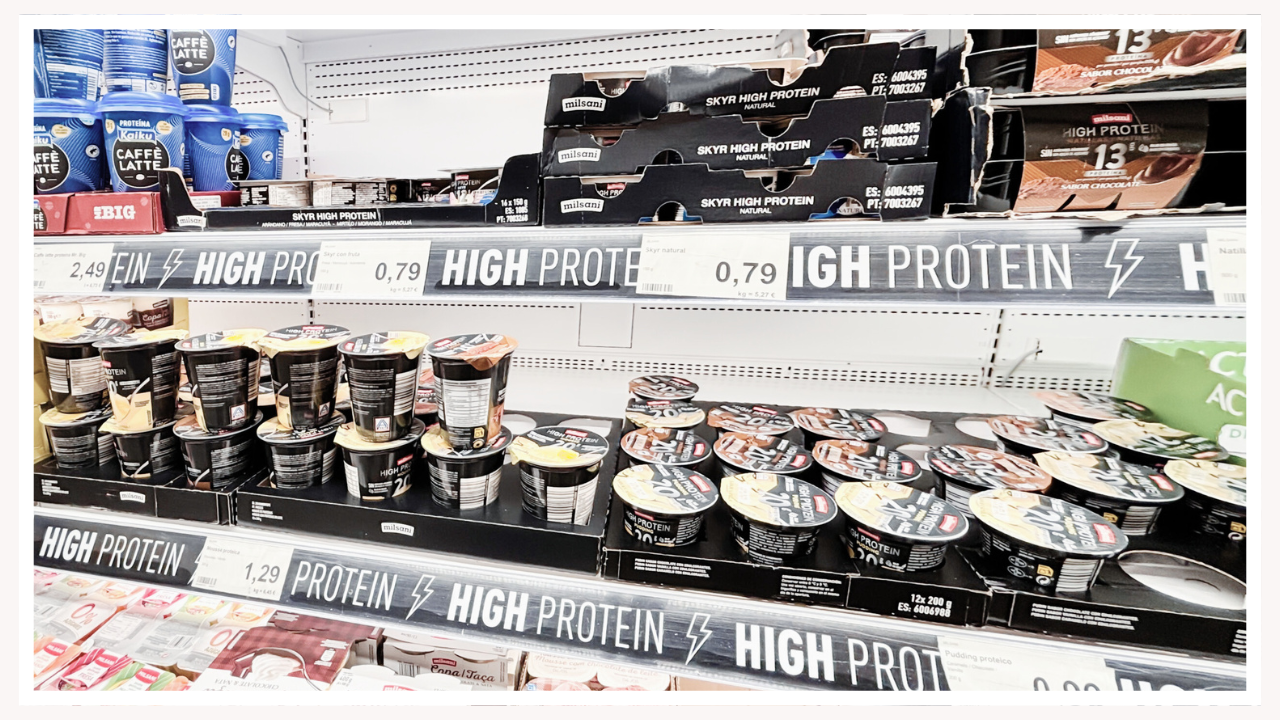
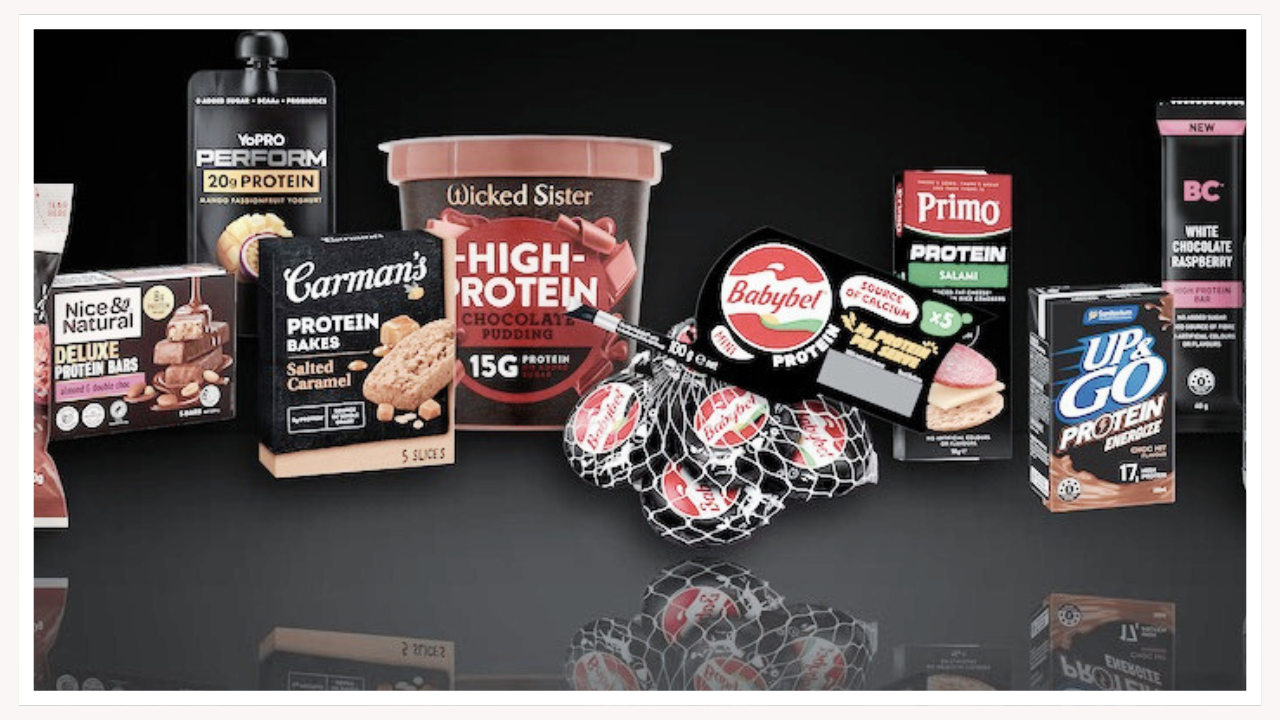
Walk into a supermarket and it’s been turned into a full-blown marketing category. Protein cereal, protein yoghurt, protein icecream, protein bread, protein popcorn… I even saw protein gummy bears the other day and just thought, right, we’ve officially lost the plot a little.
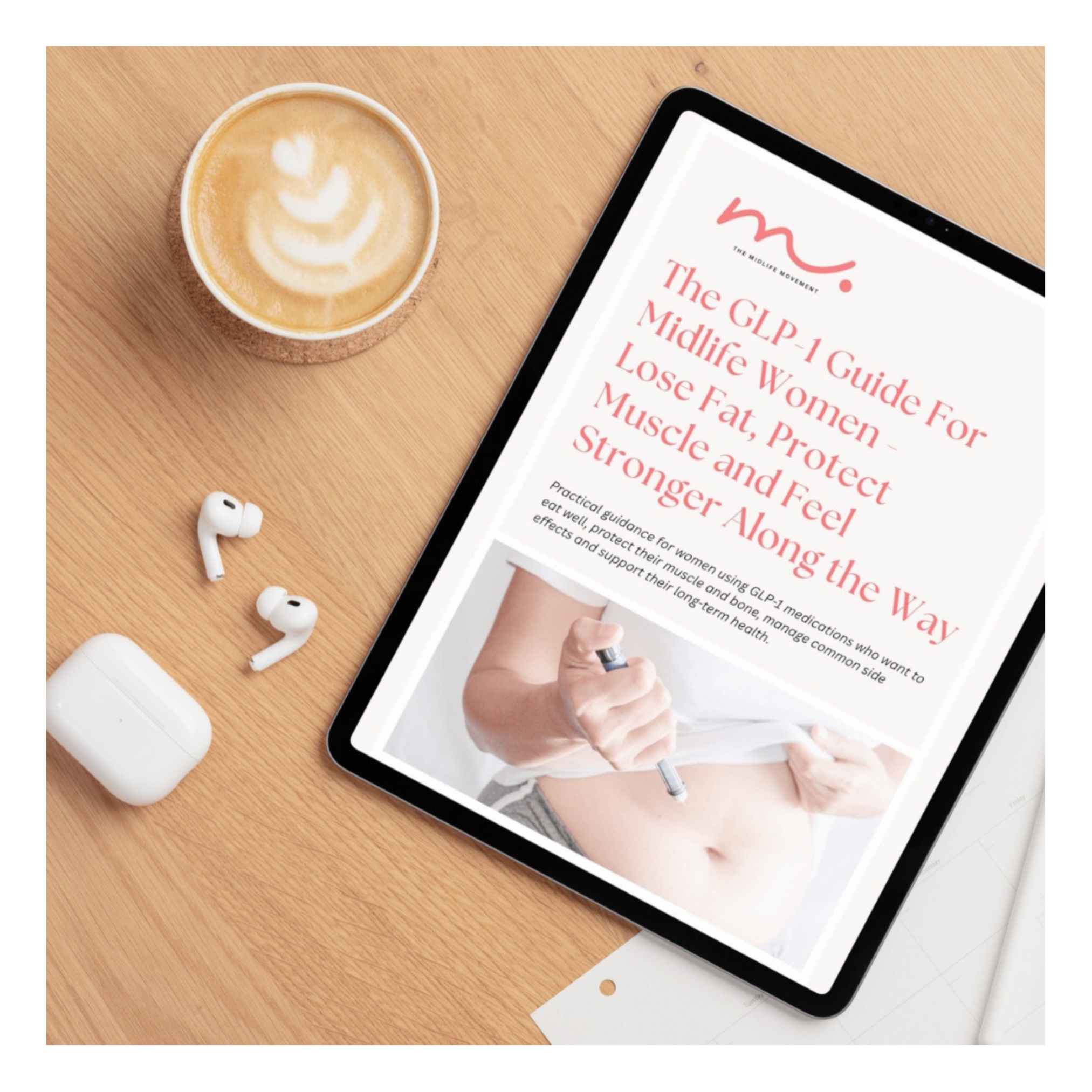
Now don’t get me wrong — I’m not anti-protein. Far from it. Especially in midlife, and especially if you’re navigating GLP-1 medications where appetite is lower and every bite needs to do a bit more work.
But what’s happened lately is that a really solid nutrition principle has been dragged into 'maxxing' territory.
And once anything becomes something you’re meant to maximise, we usually go from helpful… to a bit unhinged quite quickly.
How did we get here?
Protein didn’t used to be this complicated.
It was just… something you included in meals. Remember as kids when we were served up 'meat and three veg' for dinner?
Then we started talking more about strength training, muscle maintenance, and long-term health — particularly for women. Which, by the way, is a very good thing.
Protein finally started getting the attention it deserves.
But then a few things happened at once:
We started talking more about muscle and ageing well.
We started seeing more people tracking macros.
GLP-1 medications entered the chat and suddenly appetite became a real factor.
And social media did what it does best — took a sensible message and turned the volume all the bloody way up.
And now here we are.
Protein everywhere. Protein on and in everything.
The part that gets missed in all of this
Most women are not actually under-eating protein in a catastrophic way.
That’s important to say.
But what is very common is that protein intake is uneven across the day — a bit light at breakfast and lunch, then a bigger hit at dinner. Not a problem in itself, but not always ideal either, especially when we’re thinking about muscle maintenance, satiety, or fat loss in midlife.
So the conversation shifted to spreading protein more evenly through the day.
That’s where things like “aim for protein at each meal” and rough targets like 30-40g per meal came from.
All useful.
But somewhere along the way, that turned into:
“If you’re not hitting exact numbers and upgrading every product you eat, you’re not doing it right.”
And that’s where I start to get a bit side-eye about the whole thing.
High-protein doesn’t automatically mean better
This is where the supermarket aisle becomes a bit of a distraction.
Because “high-protein” has become a marketing strategy more than a nutrition one.
And just because something has extra protein added to it doesn’t automatically make it a better choice.
Sometimes it’s just:
more processed
more expensive
less balanced overall
and not actually more satisfying than the original version.
I’m not saying there’s no place for convenience foods — there absolutely is.
But there’s a difference between:
using them when they make life easier
and building your entire way of eating around products designed to hit a number.
One is practical. The other is just… noise dressed up as health.
What gets lost when everything is “protein-first”
When protein becomes the main character in every food decision, a few other important things quietly disappear from the conversation.
Like fibre.
Like overall balance.
Like enjoyment.
Like the simple reality of eating food that actually feels good in your body.
And I think this is where a lot of women start to feel a bit off with it all.
Because you can technically be doing all the right high-protein things and still feel like something is missing.
That’s usually a sign the approach has become too narrow.
GLP-1s and the pressure to “get protein right”
This is where things get even louder.
If you’re on a GLP-1 medication, suddenly protein isn’t just important — it’s being positioned as urgent. Protect muscle. Don’t lose lean mass. Make every bite count.
All valid points in isolation.
But the way it’s often delivered can make it feel like you now need to be eating like a performance athlete while simultaneously not really wanting much food at all.
And that’s a pretty uncomfortable combination.
In reality, what tends to work far better is a bit more flexible:
Some days you’ll manage proper meals.
Some days it’ll be smaller, protein-dense options.
Some days a shake is simply the easiest way to get anything in.
And across the week, it balances out.
It doesn’t have to be perfect daily precision for it to be effective.
So do you actually need high-protein everything?
No.
And honestly, most people don’t need anywhere near the level of “protein optimisation” that’s being pushed right now.
What most women actually benefit from is much simpler:
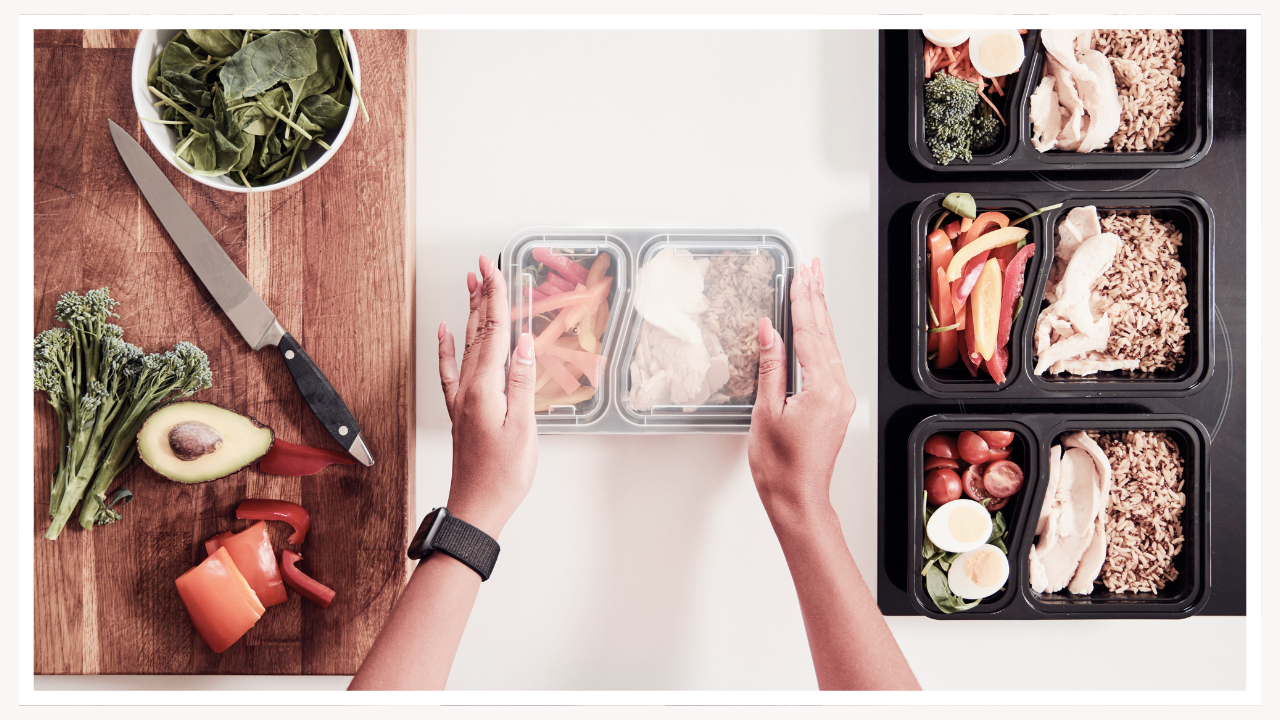
Protein included at meals.
Enough across the day.
Mostly real food.
A bit of flexibility when life or appetite gets in the way.
That’s it.
Not a pantry full of protein products. Not a second job in macro tracking. Not a constant mental checklist every time you eat.
Just… enough, consistently.
The bigger picture
If we zoom out, protein is not the problem here.
The problem is what we tend to do with good information.
We take something useful and slowly stretch it into something extreme.
More tracking.
More rules.
More optimisation.
More pressure.
Until eating — something that used to be fairly straightforward and enjoyable — starts to feel like another area where you can get it wrong and it becomes another stress on our plate.
And midlife women do not need more of that.
We’ve already got enough tabs open.
So where does that leave us?
Protein matters.
But it doesn’t need to take over.
You don’t need high-protein everything.
You don’t need to max anything.
You don’t need to turn eating into a project.
You just need enough, most days, in a way that fits your actual life — not the algorithm’s version of it.
And if that feels a bit calmer than what you’ve been hearing lately… good.
That’s kind of the point.
XO Jane
DOWNLOAD YOUR FREE
MIDLIFE RESET GUIDE
Part pep talk, part power move—your midlife guide to ruling the chaos with grit, grace, and a side of snark.
I hate spam more than I hate bad hair days. Your info’s safe with me—I promise.