A Quiet Word About Protein (and Hair)
Protein has become noisy.
It’s often framed as something for people chasing muscle or aesthetics, which means many women quietly tune out. But protein isn’t a trend nutrient. It’s structural. It’s functional. It’s deeply practical — especially in midlife.
Your body uses protein to build and maintain hormones, enzymes, immune cells and tissues. It supports blood sugar regulation, recovery, appetite and — yes — hair.
Why Protein Matters More Than You Think
As oestrogen shifts, your body becomes less efficient at using protein. This isn’t a flaw or a failure. It’s physiology.
The result is that small gaps in intake start to matter more. Women may notice lower energy, slower recovery, increased hunger, changes in body composition — and often, changes in hair.
Protein is not the only factor involved in hair health, but it is a foundational one.
Protein and Hair Loss: What’s Actually Going On
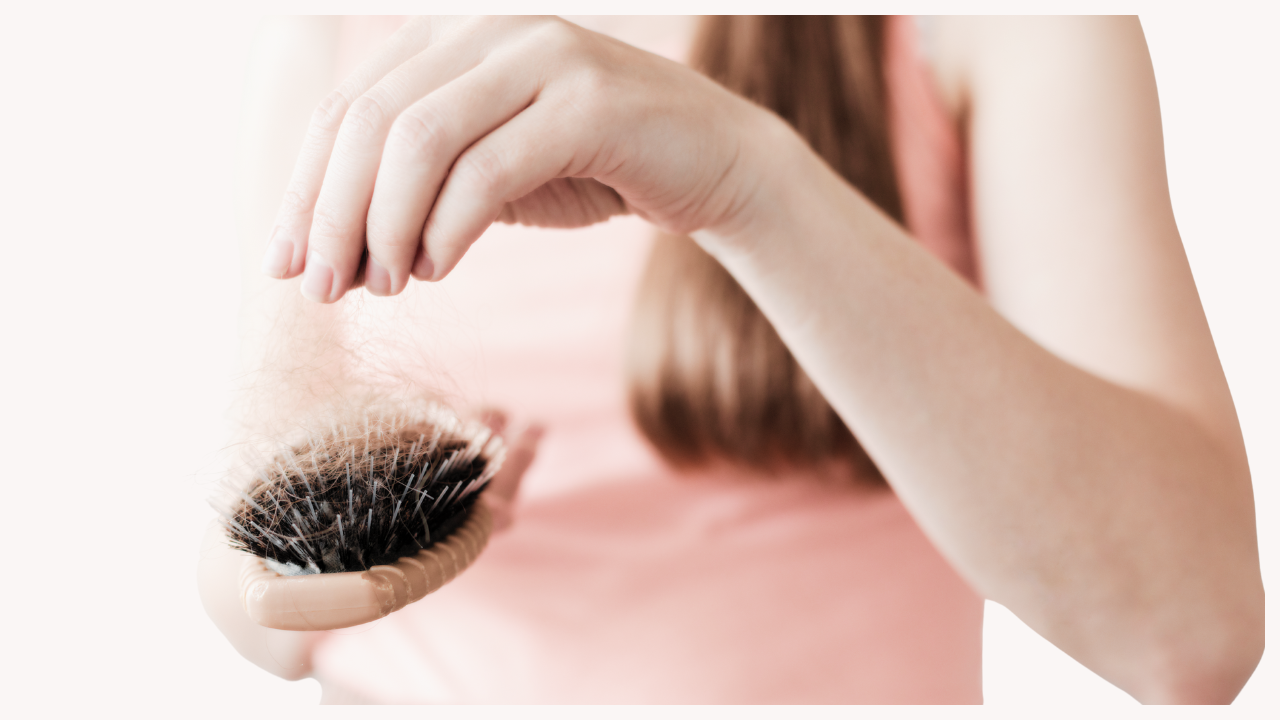
Hair is made primarily of keratin, a protein. When protein intake is consistently low, the body prioritises survival over aesthetics. Hair growth is not considered essential, so it’s often one of the first things to be affected.
In the GLP-1 space, this is coming up more and more.
Rapid weight loss, reduced appetite and lower overall intake can all contribute to a state where the body simply doesn’t have enough building material. Add in midlife hormonal changes and the stress of dieting history, and hair shedding can become noticeable.
This type of hair loss is often temporary, but it’s also a signal — not something to ignore or dismiss.
Adequate protein helps support hair growth cycles and reduces the risk of excessive shedding during periods of change.
GLP-1s and the Protein Problem
GLP-1 medications reduce appetite. For some women, meals become smaller or less frequent, and protein intake drops without them realising.
When protein is consistently too low, the body may lose not only weight, but also lean tissue, metabolic capacity and hair density.
This isn’t about blaming the medication. It’s about understanding the context and responding appropriately.
Protein becomes protective.
Blood Sugar, Appetite and Feeling 'Held'
Protein slows digestion and helps stabilise blood glucose. That steadiness often translates into better energy, fewer cravings and a calmer relationship with food.
It’s not about eating more for the sake of it. It’s about eating enough of what your body actually needs.
When protein is adequate, hunger tends to soften. The body feels supported rather than stressed.
Why I Bang On About Protein So Much
Because it underpins so many systems women are told to manage separately — hormones, metabolism, energy, hair, strength, recovery.
Protein isn’t a magic solution, but it is a requirement.
And in midlife — particularly if you’re navigating menopause or using a GLP-1 — your need for it increases.
Not loudly.
Not dramatically.
Just biologically.
Protein isn’t about optimisation or perfection.
It’s about care.
XO Jane
DOWNLOAD YOUR FREE
MIDLIFE RESET GUIDE
Part pep talk, part power move—your midlife guide to ruling the chaos with grit, grace, and a side of snark.
I hate spam more than I hate bad hair days. Your info’s safe with me—I promise.