Midlife Muscle Matters: Why Women Lose It Sooner Than They Think — And How to Take It Back
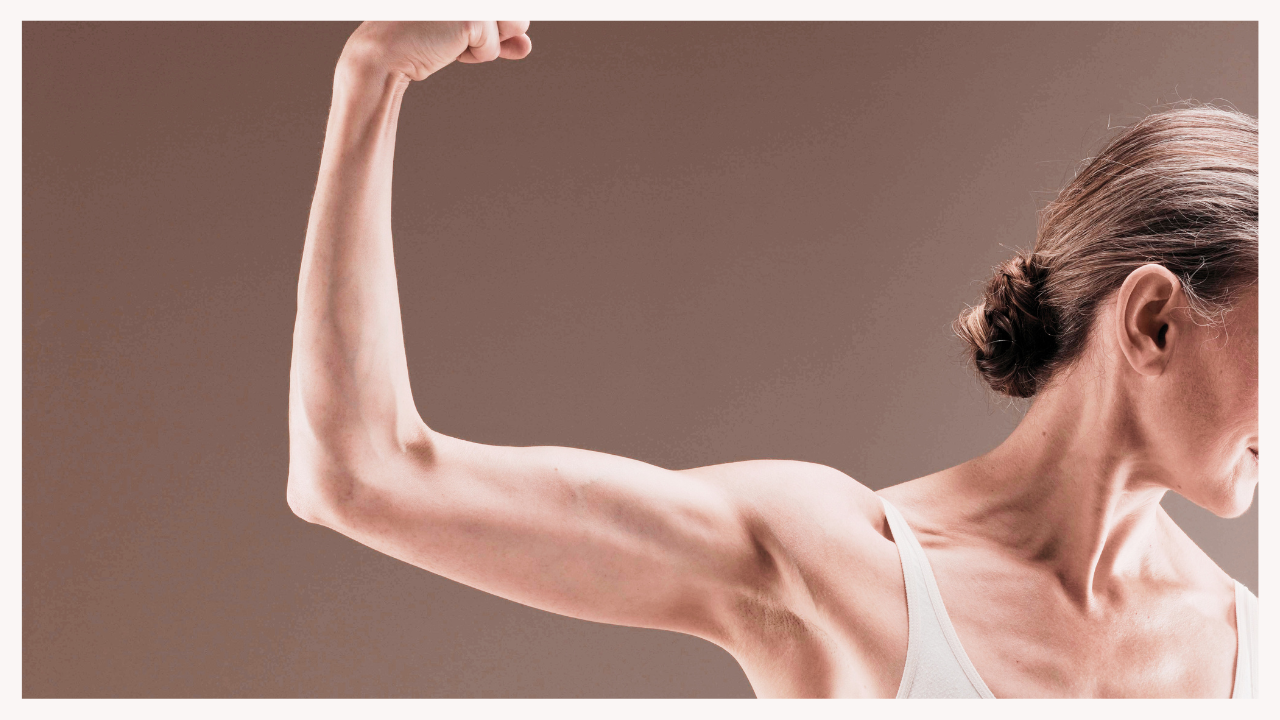
Let’s get real. Muscle loss doesn’t wait until your seventies. For women, it often starts in our 30s, and then menopause drops the hammer. The hormonal rollercoaster of perimenopause and menopause — falling oestrogen, shifting progesterone, and even declining testosterone — supercharges the process. And before you panic, yes, there’s something you can do about it.
Why Muscle Loss Happens
Muscle isn’t just 'meat on bones'. It’s your strength, your metabolism, your balance, your independence. And it’s smart — it adapts to the signals you give it. When hormones like oestrogen decline, muscle repair and growth slow down. Fast-twitch fibres, the ones that give you that pop for jumping, climbing stairs, or just standing up gracefully, shrink first. That’s why some women in their 40s start noticing wobbly knees, shaky balance, or fatigue from activities that used to be effortless.
It’s also not just about the muscle itself. Lower oestrogen affects protein synthesis — basically the body’s ability to use dietary protein to rebuild tissue. It affects mitochondria, the little power-packs inside your cells, making energy production less efficient. And it tweaks your nervous system, which means your brain’s communication with your muscles gets a bit slower. That combination equals weaker, smaller, less responsive muscle.

How Much Muscle Are We Losing?
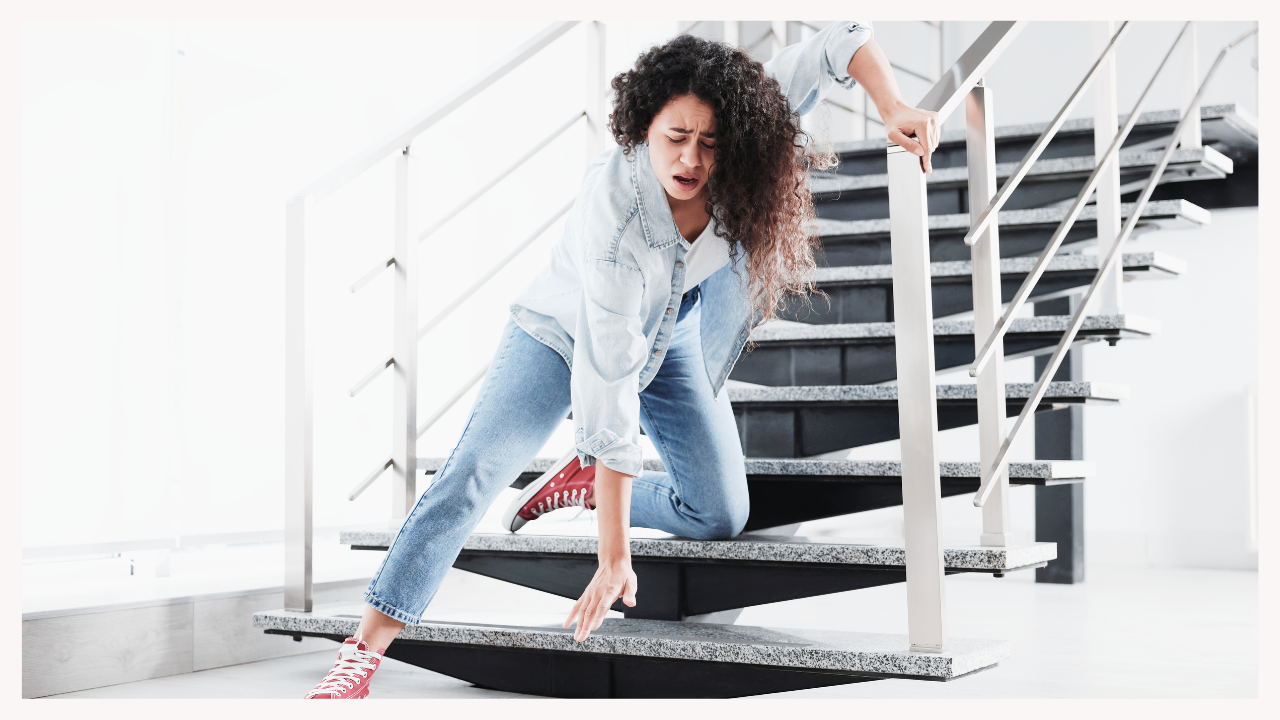
Even in healthy adults, we lose roughly 3–5 % of muscle mass per decade starting in our 30s. But the menopause transition can accelerate that to a rate of 1–2 % per year in some women — especially in the big, powerhouse muscles like the quadriceps. Those are the ones that carry you up stairs, lift you out of chairs, and keep you upright if you trip. This isn’t theoretical — it’s the reason falls become a bigger risk as we age.
The Good News: Muscle Responds at Any Age
Here’s the part that should make you feel fired up: muscle doesn’t have an expiry date. Even in your 50s, 60s, and beyond, your fibres respond to stimulus. Heavy, intentional resistance training triggers hypertrophy (muscle growth), neural adaptations (better communication between brain and muscle), and metabolic benefits (hello, stronger metabolism). Your muscles can fight back — but only if you actually challenge them.
What Actually Works
1. Lift heavy — and lift smart
Compound moves are your best friend: squats, deadlifts, presses, rows. Work in rep ranges that challenge you, push to fatigue, and do it consistently. You don’t need to spend hours in the gym — 2–4 focused sessions per week is enough to change your trajectory.
2. Prioritise protein strategically
Muscle needs building blocks. Spread 20–40 g of protein across each meal: eggs, fish, poultry, dairy, or smart plant combos.
3. Recovery is non-negotiable
Muscle doesn’t grow while you lift — it grows when you rest. Deep sleep triggers growth hormone release, repairs tissue, and resets the nervous system. Chronic sleep loss? That’s sabotage in slow motion.
4. Smart supplementation
Creatine, vitamin D, and omega-3s can all support strength and recovery. They’re not magic bullets, but they help your body use the effort you’re putting in. Always check with your clinician first.
5. Hormones aren’t the enemy
For some women, tailored menopause hormone therapy can support muscle maintenance and overall function. It’s not mandatory, but when combined with training, good nutrition, and recovery, it can be a game-changer.
Building Strength Beyond the Gym
Don’t just think about lifting weights — movement throughout the day matters. Walking, stairs, gardening, even play with grandkids — all of it counts toward maintaining muscle, balance, and coordination. The more you challenge your body in varied ways, the more resilient it becomes.

Muscle loss in midlife isn’t a punishment. It’s biology. But biology isn’t destiny. By understanding what’s happening and taking strategic, consistent action — lifting, eating, resting, and sometimes supplementing — you can protect, preserve, and even build muscle.
This isn’t about a bikini body. It’s about staying strong, independent, and capable for decades. It’s about keeping your power — literally and metaphorically — long after society says we should slow down.
XO Jane
DOWNLOAD YOUR FREE
MIDLIFE RESET GUIDE
Part pep talk, part power move—your midlife guide to ruling the chaos with grit, grace, and a side of snark.
I hate spam more than I hate bad hair days. Your info’s safe with me—I promise.