The New Conversation on GLP-1s and Midlife Health
If it feels like everyone’s talking about GLP-1 medications right now — Ozempic, Wegovy, Mounjaro — you’re not imagining it.
They’re showing up in news headlines, health podcasts, and midlife chats everywhere. For many women, especially in their 40s, 50s and beyond, these drugs seem to promise what years of effort haven’t delivered: finally getting a handle on stubborn weight and feeling like their metabolism is working with them again.
But as with all things in midlife health, the truth is more layered. Understanding how these medications actually work — and how they interact with changing hormones, muscle and metabolism — helps you make an informed decision about whether they’re right for you.
First, What Is GLP-1?
GLP-1 stands for glucagon-like peptide-1, a natural hormone made by the gut in response to eating. It’s one of the body’s key 'incretin' hormones — signals that help manage blood sugar and appetite.
In a healthy system, GLP-1:
-
Stimulates the release of insulin (to lower blood sugar)
-
Suppresses glucagon (which would otherwise raise blood sugar)
-
Slows how quickly food leaves the stomach (so you feel fuller longer)
-
Acts on the brain to reduce appetite and food cravings
Here’s the catch: our own GLP-1 only lasts a few minutes in the bloodstream.
The body breaks it down quickly using an enzyme called DPP-4 (dipeptidyl peptidase-4). That means its effects are short-lived — just enough to manage a meal, but not enough to create long-lasting changes in appetite or blood sugar regulation.
How GLP-1 Medications Work Differently
This is where GLP-1 medications come in. They’re synthetic versions of the GLP-1 hormone — but with one crucial difference: they’re designed to stay in your system much longer.
Depending on the medication:
-
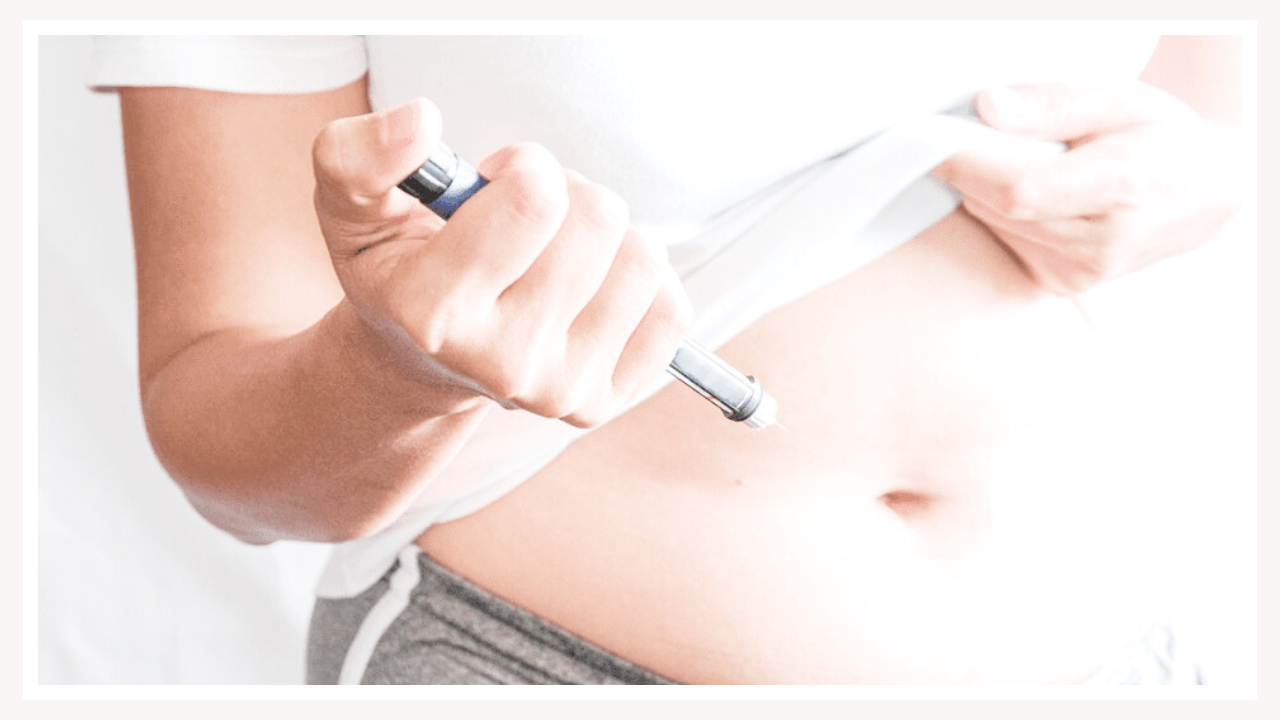
Ozempic (semaglutide) lasts around one week, which is why it’s given as a weekly injection
-
Wegovy uses the same active ingredient, just at a higher dose
-
Mounjaro (tirzepatide) acts on both GLP-1 and another hormone called GIP (glucose-dependent insulinotropic polypeptide), amplifying the effect
By remaining active in your system for days instead of minutes, these drugs create a steady state of GLP-1 activity. That means:
-
Appetite and cravings stay lower
-
Digestion stays slower
-
Blood sugar and insulin levels remain more stable
-
The 'reward' feedback loop around food — driven by dopamine — is less reactive
In simple terms, these medications turn up the volume on signals that say “I’ve had enough,” while turning down the ones that drive overeating and blood-sugar crashes.
Why This Matters in Midlife
Midlife is a perfect storm for metabolic change.
As oestrogen levels drop during perimenopause and menopause, insulin sensitivity declines — meaning the body doesn’t handle carbohydrates as efficiently. Fat tends to move from hips and thighs to the abdomen, muscle mass decreases, and energy can feel lower despite doing the same things you always did.
The result?
Your body becomes more resistant to the very signals that keep metabolism humming. Hunger and fullness cues can feel out of sync. Blood sugar swings more easily. And fat storage becomes more efficient (unfortunately, not the good kind).
GLP-1s, by restoring more stable insulin and satiety signalling, can help rebalance that system. They’re not fixing hormones directly — but they’re smoothing out the downstream effects of hormonal change.
For women who have been doing all the right things — lifting, eating well, sleeping properly — and still feel stuck, this can be a game-changer.
The Benefits — and What to Watch
Research-backed benefits:
-
Improved blood-sugar control and insulin sensitivity
-
Reduced appetite and cravings
-
Significant, gradual weight loss (typically 10–15% over 6–12 months)
-
Lower inflammation and blood pressure
-
Reduced risk of heart disease and type 2 diabetes (NEJM, 2024)
Potential drawbacks:
-
Nausea, bloating, reflux or constipation (especially early on)
-
Fatigue or muscle weakness if calorie intake becomes too low
-
Loss of lean muscle and bone mass if not supported with resistance training and nutrition
-
Weight regain if the medication is stopped without lifestyle changes
The unknowns:
Most studies were conducted on men or younger adults. The long-term effects in peri- and post-menopausal women are still being explored. Early data suggest these medications are safe when used appropriately — but their impact on bone density, muscle preservation, and hormonal balance in women needs more research.
Muscle, Bone and the Midlife Body
This part can’t be overstated: GLP-1s don’t build muscle — and midlife is when we can least afford to lose it.
From your 40s onwards, you naturally lose about 1% of muscle per year unless you actively train. Oestrogen decline accelerates that loss. If you then lose weight rapidly without enough protein or resistance training, a good portion of that weight loss can come from muscle, not fat.
That matters because muscle is metabolic currency — it improves insulin sensitivity, supports bone health, regulates hormones, and keeps your body strong and functional.
So, if you’re considering a GLP-1, pair it with:
-
Progressive strength training at least 2–3 times per week
-
Adequate protein intake (1.6–2g per kilo of body weight per day)
-
Bone-building habits — vitamin D, calcium, magnesium, and weight-bearing movement
-
A nutrition plan that fuels your training and recovery, not just your calorie targets
Think of it like this: the medication helps you eat less, but you still have to feed your muscles properly.
The Midlife Advantage: Doing It with Strategy
GLP-1s can make appetite cues quieter, which often gives women the mental and emotional space to rebuild better habits — less food noise, fewer crashes, more control.
That’s the sweet spot: using the medication as a support while you dial in training, protein, sleep, and stress management. Then, if you ever stop taking it, you’ve already built the habits that protect your results.
Without that foundation, stopping GLP-1s often leads to rebound weight gain — not because the medication 'stops working', but because the lifestyle scaffolding wasn’t in place.
Questions to Ask Before You Start
When you talk with your GP or specialist, go in informed. Ask:
-
Is this medication appropriate for my health history and hormone stage?
-
What’s the plan for monitoring muscle, bone and metabolic markers?
-
How can I protect lean mass while using it?
-
What’s the long-term plan — tapering, maintenance or ongoing use?
-
Are there lifestyle or nutrition strategies that should come first?
The Bigger Picture
GLP-1s represent an exciting shift in how we understand appetite and metabolism — especially for women who’ve felt unheard or stuck for years.
They’re not 'cheating'. They’re not a shortcut. They’re a tool — one that can be powerful when combined with strength training, good nutrition, and an understanding of your changing hormones.
If you’re curious, talk to your GP. Bring questions. Ask about your muscle, your bones, your hormones — not just the scale. The more informed you are, the better the outcome.
Your midlife body isn’t broken. It’s adapting — and you have options to support it with knowledge, strength and strategy.
XO Jane
DOWNLOAD YOUR FREE
MIDLIFE RESET GUIDE
Part pep talk, part power move—your midlife guide to ruling the chaos with grit, grace, and a side of snark.
I hate spam more than I hate bad hair days. Your info’s safe with me—I promise.